Articles in this Volume

Research Article Open Access
Identifying impulse buying via clickstream data: the role of decision conversion efficiency
Article thumbnail
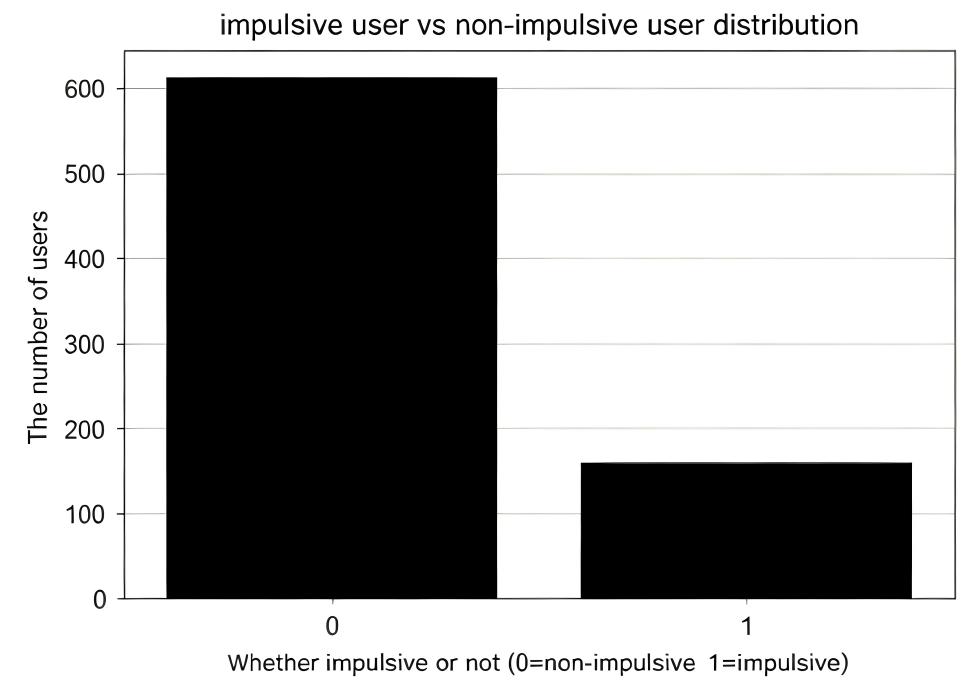
With the rapid development of e-commerce, impulse purchases have become a significant driver of revenue growth for e-commerce platforms. Traditional research often relies on questionnaire surveys for analysis, which are susceptible to memory bias and social desirability bias, and commonly conflate the number of items added to a shopping cart with purchase intent. Based on 778 valid purchase sessions from the Retail Rocket public dataset, this paper constructs the core metric of the "add-to-cart-to-view ratio" to identify impulse purchases from the perspective of behavioral conversion efficiency. It also introduces the average dwell time per product to avoid circular reasoning and compares the predictive performance of logistic regression, random forest, and XGBoost models. The results indicate that the "add-to-cart-to-view ratio" is a core predictive indicator of impulse purchases, while the number of times an item is added to the cart alone has no significant impact; the XGBoost model performed best (AUC = 0.7576). This study provides data support for e-commerce platforms to accurately identify impulse buyers and implement targeted marketing strategies.
Show more
Read Article PDF
Cite
Research Article Open Access
The impact of extreme weather on residents' low-carbon consumption behavior: an empirical study based on 615 samples from Zhejiang Province
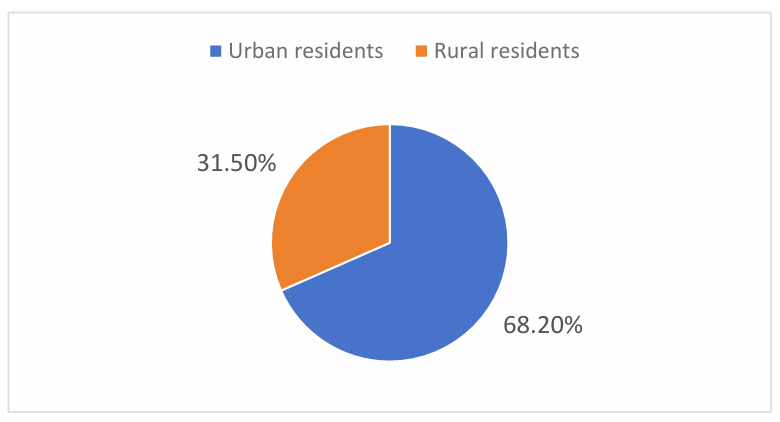
Against the backdrop of intensifying global warming and frequent extreme weather events, the low-carbon transition of residents' consumption behavior has become an important micro-foundation for achieving the "dual carbon" goals. Based on 615 resident survey datasets collected from four cities in Zhejiang Province—Huzhou, Jiaxing, Quzhou and Jinhua—this study empirically examines the effect of extreme weather on residents' low-carbon consumption behavior and its underlying mechanisms using a structural equation model. The findings are as follows: (1) Extreme weather exerts a significant positive direct impact on residents' low-carbon consumption behavior (β = 0.312, p < 0.001). (2) Green cognition and environmental attention play partial mediating roles between extreme weather and low-carbon consumption behavior, yet the mediating effects are weaker than the direct effect. (3) Government environmental regulation intensity positively moderates the relationship between extreme weather and low-carbon consumption behavior (β = 0.228, p < 0.01). This study reveals the mechanism by which extreme weather drives residents' low-carbon consumption through the path of "risk perception—cognition improvement—behavior transformation", and provides empirical evidence for governments to formulate differentiated low-carbon consumption guidance policies under climate risk contexts.
Show more
Read Article PDF
Cite
Research Article Open Access
State-dependent Bitcoin risk: evidence from portfolio analysis and option-implied skew
Article thumbnail
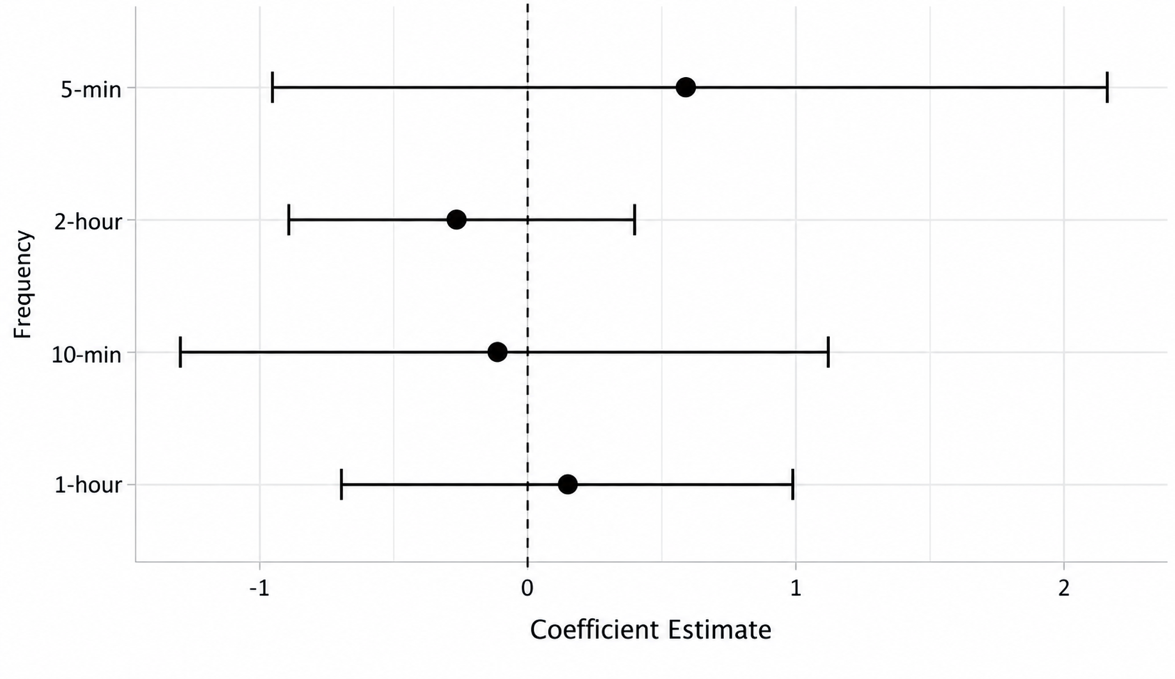
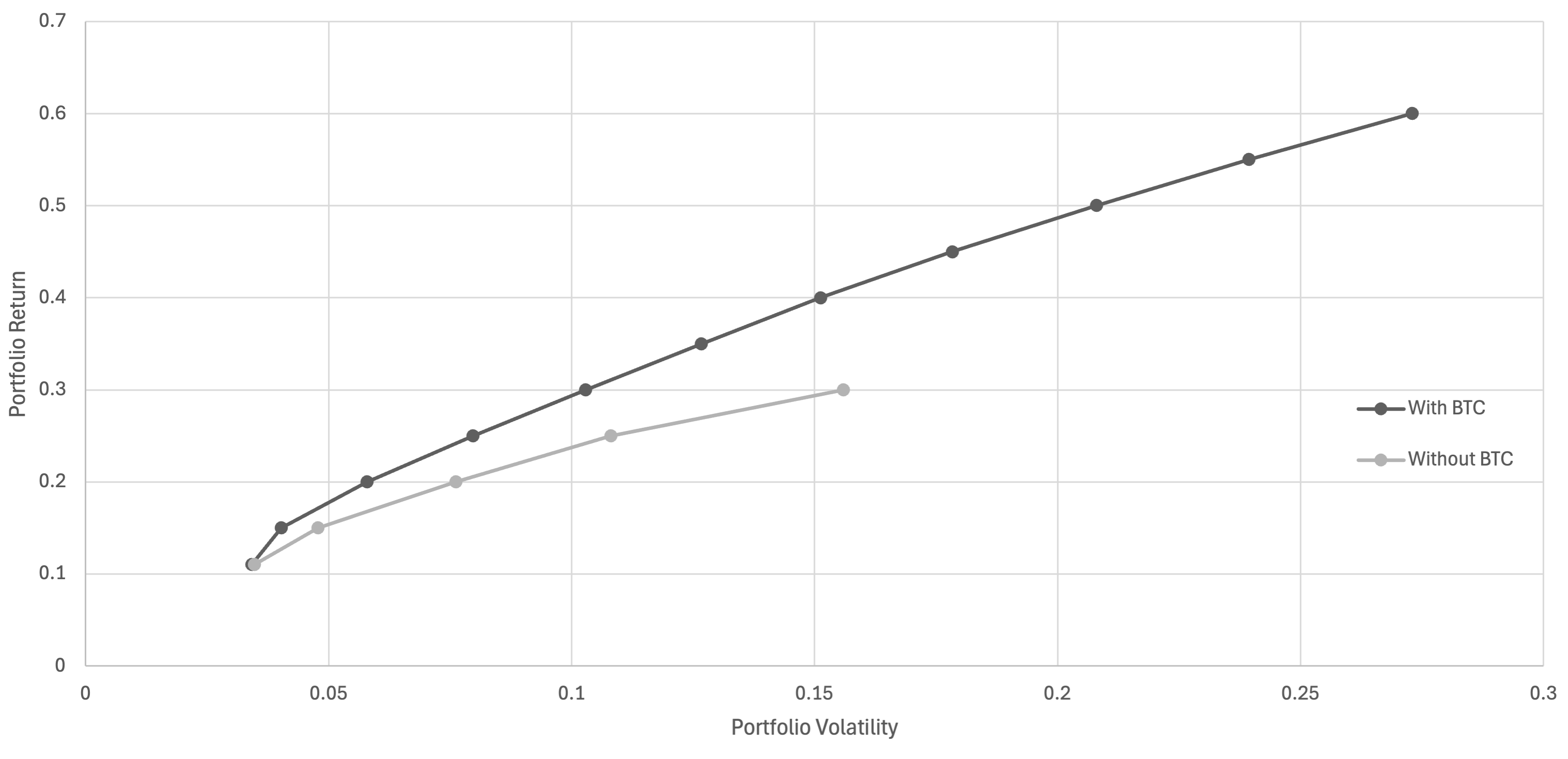
Bitcoin has become an increasingly important asset for portfolio allocation, yet its diversification value and option-implied information remain difficult to evaluate. This paper examines Bitcoin risk from portfolio and option-implied perspectives. This study assesses whether Bitcoin improves the risk-return opportunity set with traditional assets and whether its diversification role remains stable during market stress. Option-implied measures, including the 25-delta Risk Reversal (RR25), smile curvature, and an at-the-money Implied-Volatility-minus-Realized-Volatility (IV-minus-RV) proxy, are then constructed to predict market conditions. Portfolio analysis shows that Bitcoin can improve risk-return tradeoffs but does not function as a stable minimum-variance asset or a reliable crisis hedge. Baseline regressions provide limited evidence that RR25 consistently predicts future realized volatility or returns. However, extreme negative short-dated RR25 is followed by higher future realized volatility, suggesting RR25 is more informative as a nonlinear stress-state indicator than as a continuous forecasting variable. Smile curvature captures the implied-volatility surface but provides weaker predictive information. Finally, the IV-minus-RV analysis shows that gradual RR25-based exposure scaling achieves a better risk-adjusted profile than a binary exposure rule. Overall, the findings indicate that Bitcoin's diversification benefits and option-implied information are state-dependent.
Show more
Read Article PDF
Cite
Research Article Open Access
Nonlinear transmission mechanisms of liquidity shocks and return predictability
Article thumbnail
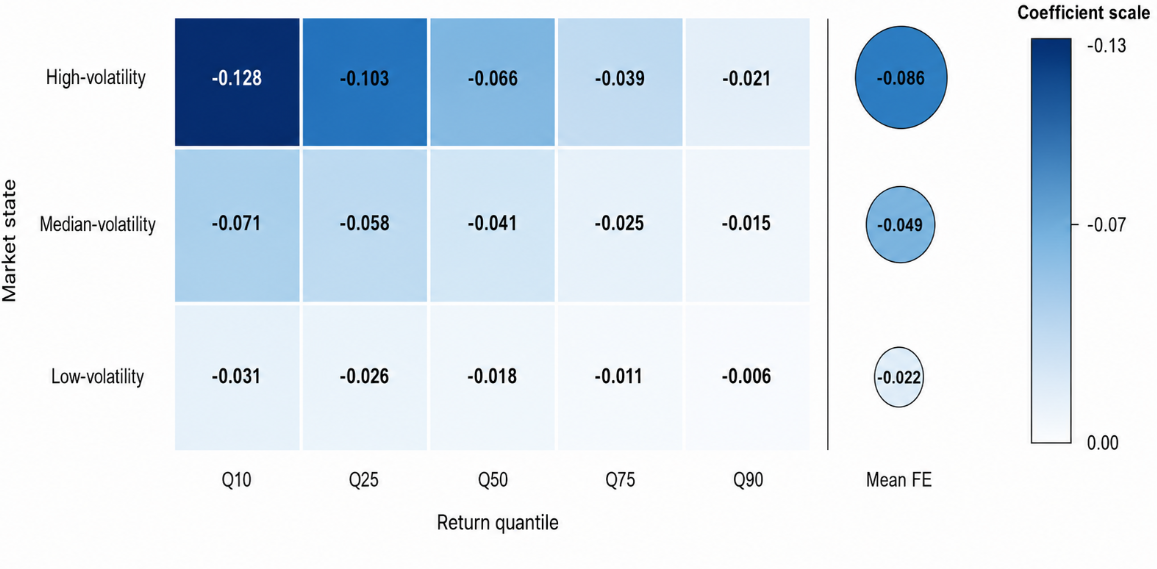
Changes in stock market liquidity affect transaction costs, price discovery, and risk premium adjustment. When volatility rises or trading depth declines, liquidity deterioration can amplify future return fluctuations through concentrated selling pressure, order book contraction, and investor rebalancing. Focusing on the relationship between liquidity shocks and return predictability, daily public trading data of Shanghai and Shenzhen A share listed companies from 2014 to 2024 are used to construct the Amihud illiquidity measure. Abnormal liquidity shocks are identified through residuals from a rolling AR(1) model. Based on this measurement, two way fixed effects models, threshold regressions, and quantile regressions are applied to examine transmission differences across market states and return distribution regions. The results show that negative liquidity shocks significantly suppress future excess returns. This effect is stronger in high volatility states, small capitalization stocks, and low return quantiles. Nonlinear models also show lower forecast errors and higher directional accuracy under stressed market conditions. These findings indicate that the predictive value of liquidity shocks is mainly concentrated in downside markets and tail risk regions. The evidence provides practical implications for risk warning, asset pricing, and portfolio adjustment.
Show more
Read Article PDF
Cite